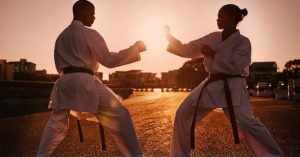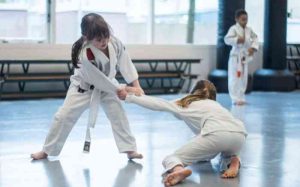
Embark on a journey through the myriad benefits of martial arts practice that transcend physical, mental, and social boundaries, promising a holistic approach to self-improvement and empowerment.
Discover how the ancient art form of martial arts has the potential to transform your life in ways you never imagined.
Benefits of Martial Arts Practice
Martial arts practice offers a wide range of benefits that go beyond just physical exercise. It can have a significant impact on both the body and mind, leading to overall well-being and improved quality of life.
Physical Benefits
- Improved Strength: Martial arts training involves a variety of movements that help build strength in different muscle groups.
- Enhanced Flexibility: Regular practice can increase flexibility, which is essential for preventing injuries and improving overall mobility.
- Better Coordination: Martial arts techniques require precise movements and coordination, leading to improved motor skills and balance.
Mental Benefits
- Increased Focus: Martial arts training demands concentration and focus, which can help improve attention span and mental clarity.
- Discipline: Following the rules and routines of martial arts practice instills discipline and self-control, valuable traits that can be applied in daily life.
- Boosted Self-Confidence: Achieving goals and mastering new skills in martial arts can boost self-confidence and self-esteem.
Overall Well-being and Stress Reduction
Martial arts practice is not just about physical fitness; it also promotes mental well-being. The combination of physical activity, meditation, and breathing techniques can help reduce stress and anxiety, leading to a more balanced and centered state of mind.
Improved Posture and Body Awareness
Practicing martial arts involves proper body alignment and awareness of movement, which can lead to better posture and body mechanics. This increased body awareness can also help prevent injuries and improve overall physical performance.
Health Benefits of Martial Arts
Practicing martial arts not only improves physical fitness but also provides numerous health benefits. Let’s explore how martial arts can contribute to overall well-being.
Weight Management and Cardiovascular Health
- Martial arts training involves a combination of aerobic and anaerobic exercises, which can help in burning calories and shedding excess weight.
- Regular practice of martial arts can improve cardiovascular health by enhancing heart function and circulation.
- Engaging in martial arts can also lower blood pressure and reduce the risk of heart disease.
Endurance and Stamina
- Through consistent training, martial artists can significantly increase their endurance levels, allowing them to sustain physical activity for longer periods.
- Building stamina not only benefits performance in martial arts but also translates to better stamina in daily activities.
Immune System Function and Overall Health
- Practicing martial arts can boost the immune system by promoting the production of white blood cells and antibodies that help fight off infections.
- Regular physical activity through martial arts can reduce the risk of chronic diseases like diabetes and obesity, leading to overall improved health.
Better Sleep Quality and Mental Clarity
- Engaging in martial arts can help in reducing stress levels, which can lead to better sleep quality and improved mental clarity.
- Physical activity releases endorphins, which are known to enhance mood and promote a sense of well-being, contributing to better overall mental health.
Social Benefits of Martial Arts

Practicing martial arts goes beyond physical training; it also provides numerous social benefits that contribute to personal growth and well-being.
Fostering a Sense of Community and Belonging
Martial arts schools often create a supportive environment where students feel a sense of belonging and connection with their peers. This community fosters mutual respect, encouragement, and a shared passion for martial arts.
Importance of Teamwork and Camaraderie
Teamwork is essential in martial arts training as students often work together to improve their skills, learn new techniques, and support each other in achieving their goals. The camaraderie built through training creates a strong bond among practitioners.
Building Strong Interpersonal Skills and Relationships
Through regular interaction with instructors and fellow students, martial arts practitioners develop strong interpersonal skills such as communication, empathy, and conflict resolution. These skills are essential for building healthy relationships both inside and outside the dojo.
Platform for Cultural Exchange and Mutual Respect
Martial arts practice brings together individuals from diverse backgrounds and cultures, providing a platform for cultural exchange and mutual respect. Practitioners learn to appreciate and respect different traditions and values, fostering a sense of unity and understanding among participants.
Self-Defense Benefits of Martial Arts
Practicing martial arts not only offers physical and mental benefits but also equips individuals with valuable self-defense skills that can be utilized in real-life situations.Martial arts techniques are designed to be practical and effective for self-defense. Whether it’s learning how to strike, grapple, or evade an opponent, martial arts training provides individuals with the tools needed to protect themselves in threatening situations.
Increased Awareness and Threat Perception
Martial arts training helps individuals develop a heightened sense of awareness of their surroundings and potential threats. By learning to anticipate and react to danger, practitioners are better equipped to avoid or defend against attacks.
- Practitioners are trained to scan their environment, identify potential risks, and react accordingly.
- Through drills and exercises, martial artists enhance their reflexes and decision-making skills under pressure.
Psychological Empowerment
Knowing how to defend oneself can lead to increased confidence and a sense of empowerment. Martial arts training instills a mindset of self-assurance and the belief that one can protect themselves if needed.
- Individuals who practice martial arts often exhibit greater self-esteem and assertiveness in various aspects of life.
- Having the ability to defend oneself can reduce fear and anxiety in potentially dangerous situations.
Real-Life Applications
There are numerous instances where martial arts training has proven to be beneficial for self-protection in real-life scenarios. From thwarting physical attacks to diffusing confrontations, the skills learned in martial arts can make a significant difference in ensuring personal safety.
- A martial artist using their training to defend against a mugging or assault on the street.
- An individual using de-escalation techniques learned in martial arts to resolve a conflict peacefully.
Final Conclusion
As we conclude this enlightening exploration of the benefits of martial arts practice, remember that the path to self-discovery and growth lies in embracing the teachings of this timeless discipline.
Top FAQs
How often should I practice martial arts to see noticeable benefits?
You can start seeing improvements in strength, flexibility, and mental focus with regular practice at least 2-3 times a week.
Are there age restrictions for starting martial arts training?
No, martial arts is suitable for individuals of all ages, from children to seniors, with classes tailored to different age groups and abilities.
Can martial arts training help in stress management?
Absolutely! Martial arts provides an outlet for stress relief through physical activity, meditation, and mindfulness practices.