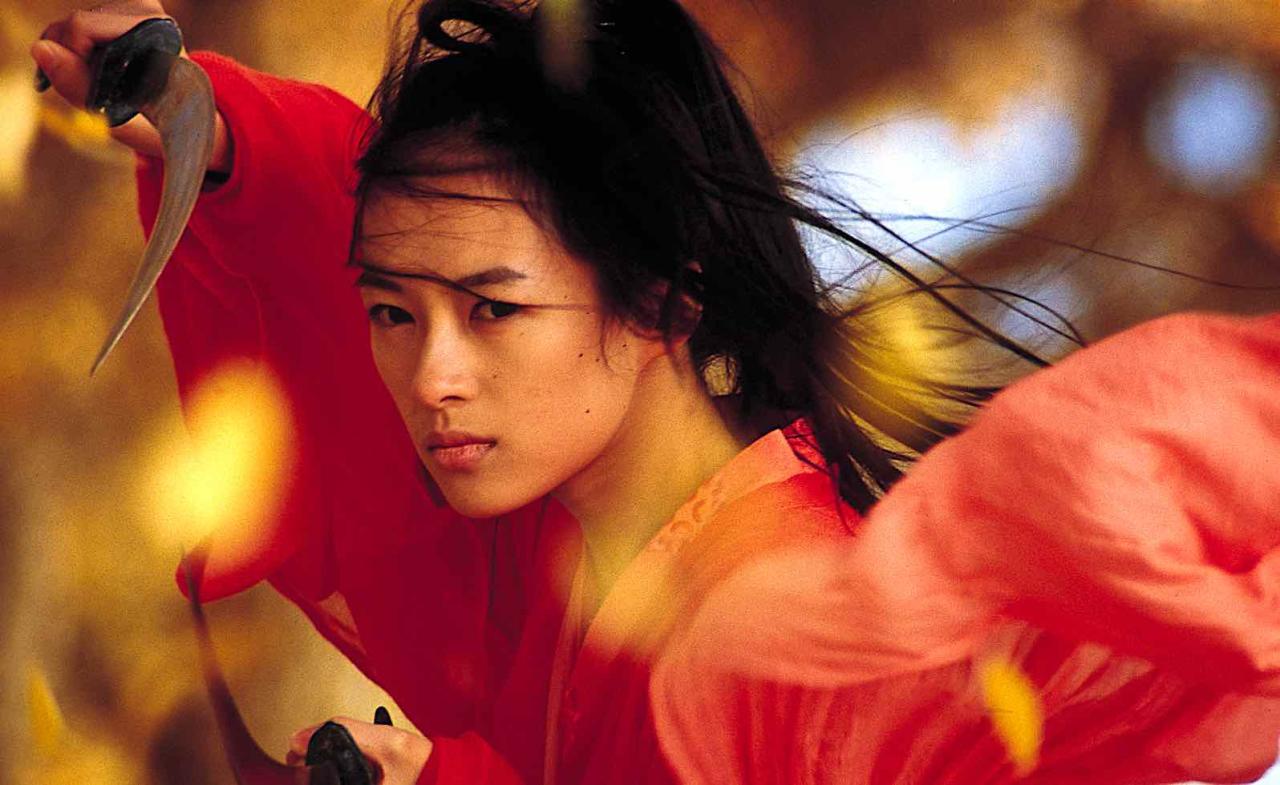
Martial arts in movies sets the stage for this enthralling narrative, offering readers a glimpse into a story that is rich in detail with entertaining interactive style and brimming with originality from the outset.
From classic Kung Fu flicks to modern blockbusters, the fusion of martial arts and cinema has captivated audiences worldwide, creating a dynamic blend of action, storytelling, and cultural significance. Get ready to dive into the mesmerizing world of martial arts in movies!
MARTIAL ARTS
Martial arts are a form of combat practices that originated in various cultures around the world. They are not just about fighting techniques but also encompass discipline, mental focus, and physical fitness. In movies, martial arts play a significant role in action sequences, adding excitement and intensity to the storyline.
Types of Martial Arts in Movies
In films, various types of martial arts are commonly featured, each with its own unique style and techniques. Some of the most popular ones include:
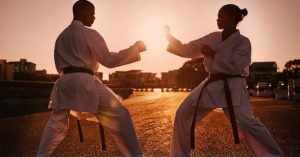
- Karate: Known for its powerful strikes and blocks, often portrayed as a traditional Japanese martial art.
- Kung Fu: Originating from China, characterized by fluid movements and acrobatic kicks.
- Taekwondo: A Korean martial art focusing on high kicks and fast-paced techniques.
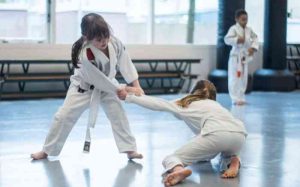
- Judo: Emphasizing throws and grappling techniques, often seen in hand-to-hand combat scenes.
Portrayal of Martial Arts in Movies
In movies, martial arts are often exaggerated for entertainment purposes. Fighters perform intricate moves, defy gravity, and showcase superhuman abilities that go beyond what is realistically possible in real-life practice. Choreographed fight scenes are designed to captivate audiences and create a sense of awe and excitement.
Impact of Martial Arts Choreography
The choreography of martial arts sequences in movies is crucial to the overall success of a film. Well-executed fight scenes can elevate the storytelling, establish character dynamics, and create memorable moments that leave a lasting impression on viewers. Skilled choreographers work closely with actors to choreograph complex fight sequences that are both visually stunning and emotionally engaging.
MARTIAL ARTS IN MOVIES
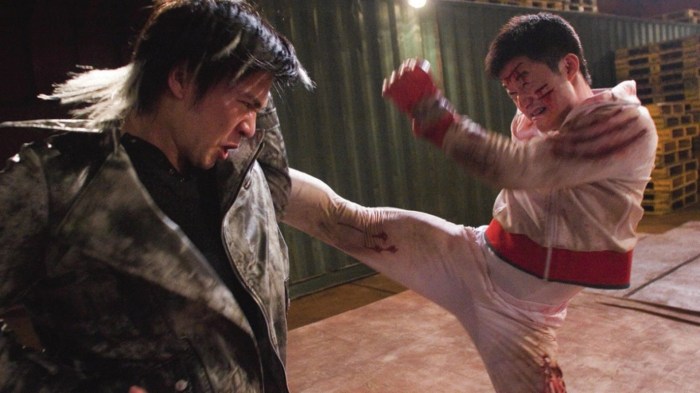
From the early days of cinema to the present, martial arts have played a significant role in shaping the film industry. The evolution of martial arts in movies has brought about iconic films that have left a lasting impact on pop culture.
Iconic Martial Arts Movies
- Enter the Dragon (1973): Bruce Lee’s masterpiece that brought martial arts to the forefront of Hollywood.
- Crouching Tiger, Hidden Dragon (2000): Ang Lee’s wuxia film that showcased stunning fight choreography and storytelling.
- The Karate Kid (1984): A classic underdog story that popularized karate in Western cinema.
Martial Arts Themes in Storytelling
Martial arts themes are often used in films to explore concepts such as discipline, honor, and redemption. The physicality of martial arts also adds a unique element to fight sequences, creating visually captivating scenes that enhance the storytelling.
Role of Martial Arts Actors and Actresses
- Bruce Lee: Considered a cultural icon and pioneer of martial arts cinema, Bruce Lee’s influence continues to be felt in the industry.
- Jackie Chan: Known for his blend of comedy and martial arts, Jackie Chan has brought a unique style to the genre.
- Michelle Yeoh: A talented actress known for her martial arts skills, Michelle Yeoh has starred in numerous action films that have resonated with audiences worldwide.
MARTIAL ARTS STYLES
In martial arts movies, various styles are prominently featured, each with its unique characteristics and techniques. These styles not only add excitement to fight scenes but also play a significant role in character development and plot progression.
Popular Martial Arts Styles in Movies
- Kung Fu: Originating from China, Kung Fu is known for its fluid movements, acrobatic kicks, and striking techniques. It is often portrayed as a versatile and dynamic style in movies.
- Karate: Hailing from Japan, Karate emphasizes powerful strikes, punches, and blocks. It is depicted in films for its disciplined approach to combat and focus on precision.
- Taekwondo: A Korean martial art, Taekwondo is recognized for its high-flying kicks and fast-paced movements. It is frequently showcased in movies for its flashy and impressive techniques.
Comparison of Martial Arts Techniques in Films
- Kung Fu vs. Karate: While Kung Fu emphasizes circular movements and open-hand techniques, Karate focuses on linear strikes and strong stances. This contrast is often highlighted in fight scenes to showcase different fighting philosophies.
- Taekwondo vs. Karate: Taekwondo’s emphasis on kicking techniques contrasts with Karate’s focus on hand strikes, leading to visually dynamic fight sequences when these styles are pitted against each other in movies.
Cultural Significance in Martial Arts Portrayal
In movies, showcasing various martial arts styles not only entertains audiences but also serves to promote cultural diversity and appreciation. By featuring different styles, filmmakers pay homage to the rich traditions and histories associated with each martial art, contributing to a broader cultural understanding.
Contribution to Character Development and Plot Progression
The choice of martial arts style for a character in a film can provide insight into their personality, background, and motivations. Whether a character is a disciplined Karate practitioner or a flashy Taekwondo expert, their fighting style can influence the narrative arc and shape their growth throughout the story.
MARTIAL ARTS CHOREOGRAPHY
Choreographing fight scenes in movies is a crucial element that requires meticulous planning and execution to create dynamic and realistic sequences that captivate audiences. It involves a combination of martial arts skills, creativity, and careful coordination between the actors, stunt performers, and the film crew.
Importance of Realism and Authenticity
Maintaining realism and authenticity in martial arts choreography is essential to engage the audience and make the fight scenes believable. Authentic choreography not only adds credibility to the action sequences but also showcases the martial arts styles accurately, respecting the traditions and techniques of each discipline.
Role of Stunt Performers and Martial Arts Experts
Stunt performers and martial arts experts play a crucial role in choreographing fight scenes by bringing their expertise and skills to the table. They work closely with the directors and choreographers to design and execute intricate fight sequences, ensuring the safety of the actors and creating visually stunning moments on screen.
Impact of Advanced Technology
Advanced technology has revolutionized martial arts choreography in modern films, allowing for more elaborate and visually impressive fight scenes. Techniques such as wire work, CGI, and motion capture have enabled filmmakers to push the boundaries of what is possible in choreographing dynamic action sequences, creating a more immersive experience for the audience.
Closing Notes
As the final credits roll on this cinematic journey, one thing is clear – martial arts in movies are not just about fighting; they are a form of artistry that transcends boundaries and unites viewers in a shared appreciation of skill, dedication, and the power of the human spirit.
Q&A
Are all martial arts styles portrayed accurately in movies?
Not always. While filmmakers strive for authenticity, artistic license often leads to exaggerated or stylized depictions of martial arts.
Do actors in martial arts movies perform their own stunts?
Some actors undergo rigorous training to perform their stunts, but many scenes are executed by professional stunt performers for safety reasons.
How has the portrayal of martial arts in movies evolved over time?
From the gritty realism of Bruce Lee’s era to the wire-fu extravaganzas of the Wachowskis, martial arts films have continually pushed boundaries in visual storytelling.
What role do martial arts themes play in the narrative structure of films?
Martial arts themes often serve as a metaphor for personal growth, inner strength, and the triumph of the underdog, adding depth and resonance to the storyline.
Are there specific martial arts actors who have left a lasting impact on the genre?
Icons like Jackie Chan, Jet Li, and Donnie Yen have not only elevated the art of martial arts on screen but also inspired a new generation of performers and filmmakers.