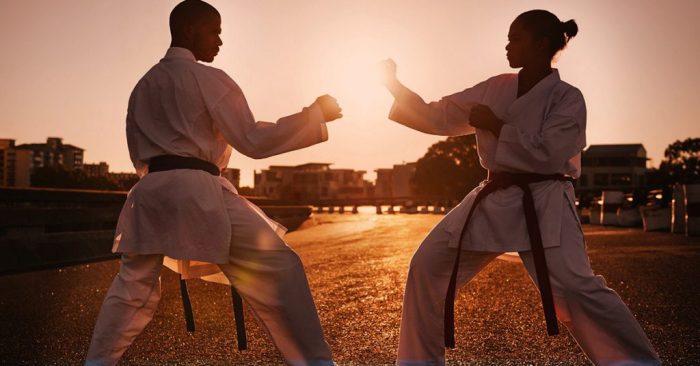
Martial arts for fitness sets the stage for this enthralling narrative, offering readers a glimpse into a story that is rich in detail with entertaining interactive style and brimming with originality from the outset.
Get ready to dive into the world of martial arts for fitness, where strength, agility, and discipline converge to create a powerful workout regimen unlike any other.
Introduction to Martial Arts
Martial arts have a rich history that dates back centuries, originating from various regions around the world. Over time, martial arts have evolved into a diverse range of disciplines that focus on self-defense, physical fitness, and mental discipline.
Types of Martial Arts Practiced for Fitness
There are numerous types of martial arts that are practiced for fitness purposes, each offering unique techniques and training methods. Some popular martial arts practiced for fitness include:
- Kickboxing: Combines elements of boxing and martial arts, focusing on striking techniques using punches, kicks, and knee strikes.
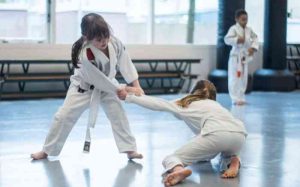
- Brazilian Jiu-Jitsu: Emphasizes ground fighting and grappling techniques to overcome opponents using leverage and technique.
- Taekwondo: Known for its dynamic kicking techniques, taekwondo improves flexibility, strength, and agility.
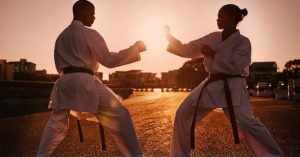
- Karate: A traditional martial art that focuses on striking techniques, blocks, and forms to enhance physical and mental discipline.
Benefits of Incorporating Martial Arts into a Fitness Routine
Incorporating martial arts into a fitness routine offers a wide range of benefits for both physical and mental well-being. Some benefits include:
- Improved cardiovascular health and stamina
- Enhanced flexibility, strength, and balance
- Stress relief and mental focus
- Self-confidence and discipline
- Weight loss and muscle toning
Techniques and Forms
When it comes to martial arts for fitness, there are various techniques and forms that are commonly used to improve physical health and overall well-being. These techniques focus on strength, flexibility, agility, and cardiovascular fitness.
Common Martial Arts Techniques for Fitness Training
- Punches and Kicks: Practicing punches and kicks helps improve upper and lower body strength, as well as coordination.
- Blocks and Strikes: Learning how to block and strike effectively can enhance reflexes and hand-eye coordination.
- Forms and Katas: Performing specific sequences of movements can improve balance, focus, and overall body control.
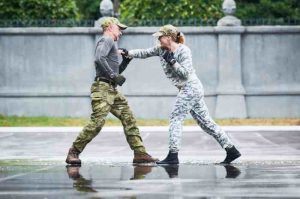
- Sparring: Engaging in controlled combat with a partner can improve endurance, speed, and strategic thinking.
Comparison of Various Forms of Martial Arts for Fitness
There are different forms of martial arts that are suitable for fitness training, each with its unique focus and benefits. Some popular forms include:
- Karate: Emphasizes powerful strikes and blocks, promoting strength and discipline.
- Taekwondo: Focuses on high kicks and fast footwork, improving flexibility and agility.
- Brazilian Jiu-Jitsu: Centers around ground fighting and submissions, enhancing core strength and endurance.
- Muay Thai: Known for its devastating strikes using fists, elbows, knees, and shins, boosting cardiovascular fitness and overall conditioning.
Importance of Mastering Basic Forms and Techniques
Mastering basic forms and techniques is crucial in martial arts for fitness as it lays the foundation for more advanced training. It helps in developing proper form, alignment, and muscle memory, reducing the risk of injury and ensuring progress in physical fitness goals.
Training Routines
Starting martial arts for fitness can be both challenging and rewarding. Here are some sample training routines and tips for beginners to help you get started on your martial arts journey and improve your overall physical health.
Sample Training Routines
- Warm-up: Begin with a 10-15 minute warm-up session to prepare your body for the workout. This can include jogging, jumping jacks, and dynamic stretches.
- Technique Practice: Spend time refining your martial arts techniques, such as punches, kicks, and blocks. Focus on proper form and execution.
- Cardiovascular Training: Incorporate cardio exercises like high-intensity interval training (HIIT) or skipping rope to improve endurance and stamina.
- Strength Training: Include bodyweight exercises, weight lifting, or resistance band workouts to build strength and power.
- Cool Down: Finish your training session with a 10-15 minute cool down consisting of static stretches to improve flexibility and prevent injury.
Tips for Beginners
- Start Slow: Don’t push yourself too hard in the beginning. Gradually increase the intensity of your workouts to prevent injury.
- Stay Consistent: Consistency is key in martial arts training. Aim to practice regularly to see progress in your skills and fitness level.
- Listen to Your Body: Pay attention to how your body feels during training. Rest when needed and don’t ignore signs of fatigue or pain.
- Seek Guidance: Consider taking classes with a qualified instructor to learn proper techniques and receive guidance on your training routine.
Improving Overall Physical Health
Martial arts training offers numerous benefits for overall physical health, including:
- Increased Strength and Flexibility: Regular practice helps build muscle strength and improve flexibility, leading to better overall fitness.
- Cardiovascular Fitness: Martial arts workouts often involve high-intensity cardio exercises that boost heart health and endurance.
- Balance and Coordination: Training in martial arts helps enhance balance, coordination, and agility, which are essential for daily activities and sports.
- Stress Relief: Engaging in martial arts can be a great stress reliever, helping to reduce anxiety and improve mental well-being.
Mental Health Benefits
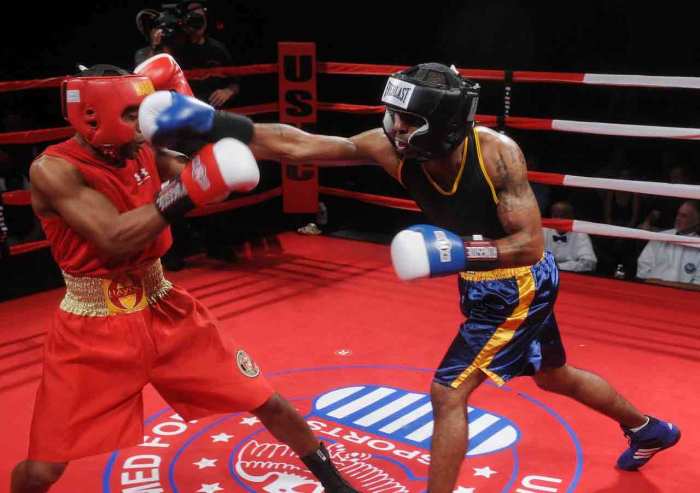
Practicing martial arts goes beyond physical fitness; it also offers numerous mental health benefits. The discipline and focus required in martial arts training can have a positive impact on mental well-being.
Role of Discipline and Focus
In martial arts, discipline is a fundamental aspect that helps individuals cultivate self-control, respect, and perseverance. By following a structured training routine and adhering to the rules of the practice, martial artists learn to focus their minds and bodies in a harmonious way. This discipline not only enhances their physical skills but also contributes to mental clarity and emotional stability.
Personal Stories and Testimonials
Many individuals have experienced significant improvements in their mental health through martial arts practice. For example, Sarah, a practitioner of Taekwondo, shared how the regular training sessions helped her manage stress and anxiety. The repetitive movements and breathing techniques in martial arts provided her with a sense of calm and mental clarity, allowing her to cope better with daily challenges.Overall, the mental health benefits of martial arts extend beyond physical fitness, offering practitioners a holistic approach to well-being through discipline, focus, and inner strength.
Equipment and Gear
When it comes to martial arts training, having the right equipment and gear is essential for safety, performance, and comfort. Different martial arts disciplines may require specific gear, so it’s important to know what you need before starting your training.
Essential Equipment for Martial Arts Training
- Protective Gear: This includes items like gloves, shin guards, mouthguards, and headgear to protect you during sparring and training.
- Uniform: Many martial arts styles have specific uniforms, such as a gi for karate or a dobok for taekwondo, which help with mobility and tradition.
- Training Mats: Quality mats are important for cushioning during throws, takedowns, and ground work to prevent injuries.
- Hand Wraps and Tape: These are essential for protecting your hands and wrists during striking practice.
Types of Gear for Different Martial Arts Disciplines
- Boxing: Requires boxing gloves, hand wraps, mouthguard, and possibly headgear for sparring.
- Brazilian Jiu-Jitsu: Needs a gi (for traditional BJJ) or no-gi attire, rash guards, and grappling shorts.
- Muay Thai: Involves gloves, shin guards, headgear, and a mouthguard for striking and clinching techniques.
- Mixed Martial Arts (MMA): Combines elements of various disciplines, so gear may include MMA gloves, shin guards, and rash guards.
Choosing the Right Gear for Martial Arts Fitness
- Consider Your Discipline: Different martial arts require specific gear, so choose equipment that aligns with your chosen style.
- Quality and Fit: Invest in high-quality gear that fits well to ensure comfort and durability during training sessions.
- Budget: While quality is important, consider your budget and look for gear that offers a balance between affordability and performance.
- Consult Your Instructor: Seek guidance from your martial arts instructor on the essential gear needed for your training level and goals.
Safety Precautions
When engaging in martial arts for fitness, it is crucial to prioritize safety to prevent injuries and ensure a positive workout experience. By following proper safety precautions, you can minimize the risk of harm and maximize the benefits of your training sessions.
Common Injuries Associated with Martial Arts Training
- Strains and Sprains: Overexertion or improper technique can lead to muscle strains and ligament sprains.
- Bruises and Contusions: Contact sports like martial arts can result in bruises and contusions from impact.
- Fractures: High-impact movements or accidents during training may cause bone fractures.
- Joint Injuries: Repetitive stress on joints can contribute to conditions like tendonitis or dislocations.
Tips for Preventing Injuries during Martial Arts Workouts
- Proper Technique: Focus on mastering correct form and movements to reduce the risk of injury.
- Warm-Up: Always start with a dynamic warm-up routine to prepare your muscles and joints for activity.
- Listen to Your Body: Pay attention to any signs of discomfort or pain and adjust your training accordingly.
- Use Protective Gear: Wear appropriate protective gear such as gloves, shin guards, and mouthguards during sparring or contact drills.
Importance of Proper Warm-Up and Cooldown Routines
Warm-up and cooldown routines are essential components of any martial arts workout to prevent injuries and enhance performance.
- Warm-Up: Stimulates blood flow, increases muscle temperature, and prepares the body for physical exertion.
- Cooldown: Helps to gradually lower heart rate, prevent muscle stiffness, and promote recovery after intense training.
Ending Remarks
As we conclude this exhilarating journey through the realm of martial arts for fitness, remember that unlocking your inner warrior is not just about physical strength but also mental resilience and well-being. Embrace the challenges, reap the rewards, and let the spirit of martial arts guide you to greater heights of fitness and self-discovery.
Frequently Asked Questions
Is martial arts suitable for all fitness levels?
Yes, martial arts can be adapted to suit various fitness levels, from beginners to advanced practitioners. It’s all about finding the right style and pace for your individual needs.
Can martial arts help in weight loss?
Absolutely! Martial arts training can be a highly effective way to burn calories, build muscle, and improve overall cardiovascular health, making it a great tool for weight loss and fitness goals.
Are there age restrictions for starting martial arts for fitness?
While it’s important to consult with a healthcare provider before starting any new fitness regimen, martial arts can be practiced by individuals of all ages, making it a versatile and inclusive form of exercise.
How often should I practice martial arts for fitness?
Consistency is key when it comes to reaping the benefits of martial arts for fitness. Aim for at least 2-3 sessions per week to see progress in strength, flexibility, and overall well-being.