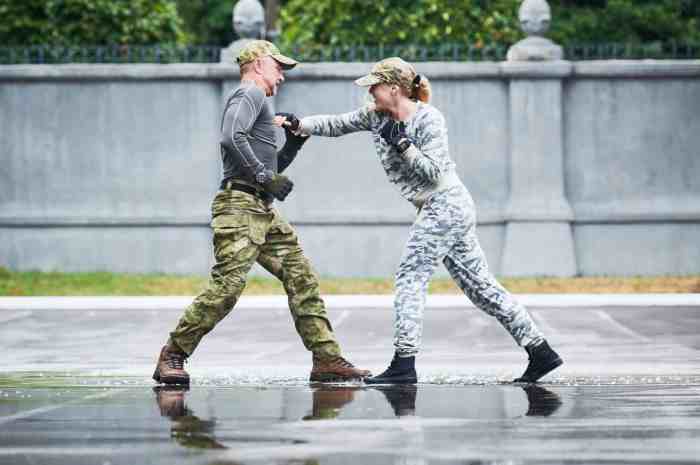
When it comes to self-defense, choosing the right martial art can make all the difference. Dive into the world of martial arts as we uncover the best styles and techniques for self-defense.
From striking to grappling, we’ll explore the top choices and key factors to consider when selecting a martial art to defend yourself effectively.
MARTIAL ARTS

Martial arts encompass a variety of combat practices and techniques that are used for self-defense, physical fitness, mental discipline, and overall personal development. These ancient disciplines have been passed down through generations and continue to play a significant role in enhancing both physical and mental well-being.The history of martial arts dates back thousands of years, with origins in Asia and various parts of the world.
These practices have evolved over time, influenced by different cultures, philosophies, and fighting styles. From traditional to modern forms, martial arts have become a way of life for many practitioners, emphasizing values such as respect, discipline, and perseverance.
Types of Martial Arts and Principles
- Karate: Originating from Okinawa, Japan, karate focuses on striking techniques using punches, kicks, and knee strikes. It emphasizes discipline, focus, and self-control.
- Judo: Developed in Japan, judo is a grappling art that emphasizes throws, joint locks, and pins. It teaches practitioners how to use an opponent’s strength against them.
- Taekwondo: Originating from Korea, taekwondo is known for its dynamic kicking techniques and fast-paced movements. It promotes self-defense, physical fitness, and mental strength.
- Brazilian Jiu-Jitsu: Known for its ground fighting techniques, Brazilian Jiu-Jitsu focuses on submissions, joint locks, and positional control. It emphasizes leverage and technique over brute strength.
Famous Martial Artists and Their Impact
- Bruce Lee: A legendary martial artist and actor, Bruce Lee popularized martial arts in Hollywood films and promoted the concept of Jeet Kune Do, a philosophy that emphasizes practicality and efficiency in combat.
- Helio Gracie: Co-founder of Brazilian Jiu-Jitsu, Helio Gracie revolutionized ground fighting techniques and created a martial art that focuses on leverage and technique to overcome larger opponents.
- Michelle Yeoh: A renowned actress and martial artist, Michelle Yeoh has showcased her skills in various action films, demonstrating the grace and power of martial arts in cinema.
Best Martial Arts for Self-Defense
When it comes to self-defense, choosing the right martial art can make all the difference. Here are some of the top martial arts styles recommended for self-defense:
Striking-Based Martial Arts
Striking-based martial arts such as Muay Thai, Boxing, and Taekwondo focus on powerful strikes using punches, kicks, elbows, and knees. These techniques are effective for quickly disabling an opponent and creating distance.
- Muay Thai: Known as the “Art of Eight Limbs,” Muay Thai utilizes punches, kicks, elbows, and knees to strike opponents.
- Boxing: With its emphasis on footwork and powerful punches, Boxing is great for developing striking accuracy and speed.
- Taekwondo: Taekwondo practitioners are known for their high, fast kicks which can be used for both offensive and defensive purposes.
Grappling-Based Martial Arts
Grappling-based martial arts like Brazilian Jiu-Jitsu, Judo, and Wrestling focus on controlling opponents on the ground through techniques like joint locks and chokeholds. These arts are effective for subduing attackers without causing serious harm.
- Brazilian Jiu-Jitsu: BJJ emphasizes ground fighting and submission holds, making it ideal for self-defense situations that end up on the ground.
- Judo: Known for its throws and takedowns, Judo practitioners can quickly immobilize and control opponents.
- Wrestling: Wrestling techniques are effective for taking opponents down to the ground and maintaining dominant positions.
Situational Awareness in Choosing a Martial Art
Before selecting a martial art for self-defense, it is crucial to consider situational awareness. Understanding the potential threats in your environment and the likelihood of encountering specific types of attacks can help you choose a martial art that aligns with your self-defense needs.
It’s essential to assess the risks you may face in your daily life to determine which martial art will best prepare you for self-defense.
Key Factors to Consider
When selecting a martial art for self-defense, several key factors should be taken into account:
- Effectiveness: Choose a martial art that is practical and effective in real-life self-defense scenarios.
- Personal Preference: Consider your own physical abilities and preferences when selecting a martial art.
- Instructor Quality: Look for experienced and reputable instructors who can provide proper guidance and training.
- Consistency: Regular practice and training are essential for developing and maintaining self-defense skills.
Striking Martial Arts
Striking martial arts are disciplines that focus on using powerful and precise strikes to defend oneself in combat situations. Some popular examples of striking martial arts include Karate, Taekwondo, and Muay Thai.
Karate
Karate is a Japanese martial art that primarily focuses on striking techniques, including punches, kicks, knee strikes, and elbow strikes. It emphasizes strong stances and precise movements to generate maximum power.
Taekwondo
Taekwondo is a Korean martial art known for its dynamic kicking techniques. Practitioners of Taekwondo learn a variety of kicks, strikes, and blocks to defend themselves effectively. It also incorporates elements of sparring and forms practice.
Muay Thai
Muay Thai, also known as the “Art of Eight Limbs,” is a striking martial art from Thailand that utilizes fists, elbows, knees, and shins for attacks. It is known for its aggressive and powerful striking techniques, making it effective for self-defense situations.
Examples of How Striking Martial Arts Can Be Used in Self-Defense Scenarios
- Using a front kick in Taekwondo to create distance between yourself and an attacker.
- Employing a series of quick punches and elbow strikes in Karate to incapacitate an assailant.
- Utilizing clinch and knee strikes in Muay Thai to defend against close-range attacks.
Benefits and Limitations of Striking Martial Arts for Self-Defense
Benefits:
- Develops physical fitness, agility, and coordination.
- Improves mental focus, discipline, and self-confidence.
- Effective for defending against single or multiple attackers.
Limitations:
- May not be as effective in grappling or ground fighting situations.
- Requires consistent practice and training to maintain proficiency.
- Certain techniques may not be suitable for all individuals based on physical abilities.
Tips for Beginners Looking to Learn Striking Martial Arts for Self-Defense Purposes
- Find a reputable martial arts school or instructor to learn proper techniques and form.
- Start with basic strikes and gradually progress to more advanced techniques.
- Focus on developing speed, power, and accuracy in your strikes through regular practice.
- Practice self-defense scenarios to apply your striking techniques in realistic situations.
Grappling Martial Arts
Grappling martial arts focus on controlling an opponent through techniques like throws, joint locks, and submission holds. Popular forms of grappling martial arts include Brazilian Jiu-Jitsu, Judo, and Wrestling.
Principles and Techniques
- Brazilian Jiu-Jitsu emphasizes ground fighting techniques and submissions to neutralize an opponent.
- Judo focuses on throws and takedowns to bring an opponent to the ground.
- Wrestling utilizes clinches, takedowns, and ground control to overpower opponents.
Effectiveness in Self-Defense
- Grappling martial arts are effective in real-life self-defense situations as they teach practitioners how to control and neutralize opponents without causing excessive harm.
- These techniques are particularly useful in close-quarters combat scenarios where striking may not be practical.
Advantages and Disadvantages
- Advantages:
- Effective in restraining and subduing opponents without causing serious injury.
- Focus on leverage and technique allows smaller individuals to overcome larger, stronger opponents.
- Disadvantages:
- May not be as effective in multiple attacker situations where distance management is crucial.
- Requires close physical contact which can be challenging for some individuals.
Training Advice
- Find a reputable martial arts school or gym that specializes in the grappling martial art of your choice.
- Consistent practice and sparring are essential to develop proficiency in grappling techniques.
- Focus on understanding the principles of leverage, control, and submission to effectively apply grappling techniques in self-defense situations.
End of Discussion
In conclusion, mastering a martial art for self-defense is not just about physical techniques but also about mental preparedness and situational awareness. With the right training, anyone can learn to protect themselves in any situation.
FAQ Compilation
Which martial art is best for self-defense?
The best martial art for self-defense depends on individual preferences and the specific situations one may encounter. However, styles like Krav Maga, Brazilian Jiu-Jitsu, and Muay Thai are often recommended for their practicality and effectiveness in real-life scenarios.
Is it better to learn striking-based or grappling-based martial arts for self-defense?
Both striking-based and grappling-based martial arts have their advantages and can be effective in self-defense. Striking arts focus on punches and kicks, while grappling arts emphasize ground fighting and submissions. It’s beneficial to have knowledge in both areas for a well-rounded self-defense skill set.
How important is situational awareness in self-defense?
Situational awareness is crucial in self-defense as it allows individuals to recognize potential threats and act preemptively. Being aware of your surroundings and understanding how to assess and react to different situations can help you avoid danger and protect yourself effectively.