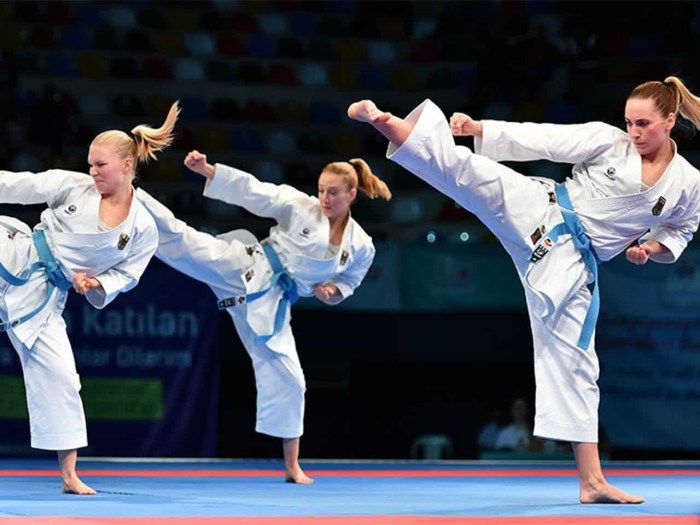
Dive into the world of Martial arts training at home, where you can unleash your inner warrior from the comfort of your own space. From setting up the perfect training area to tracking your progress, get ready to embark on a journey of self-improvement and discipline right at home!
Whether you’re a beginner looking to start your martial arts journey or a seasoned practitioner wanting to hone your skills, this guide has got you covered with all the essential tips and tricks for successful training at home.
MARTIAL ARTS
Martial arts have a rich history and origins that date back thousands of years. Originally developed for self-defense and combat, martial arts have evolved into a diverse range of disciplines practiced for various purposes.
Types of Martial Arts Disciplines
- Karate: Originating in Okinawa, Japan, Karate focuses on striking techniques using punches, kicks, and knee strikes.
- Taekwondo: A Korean martial art known for its dynamic kicking techniques and emphasis on speed and agility.
- Judo: Developed in Japan, Judo is a grappling martial art that focuses on throws and joint locks.
- Kung Fu: Originating in China, Kung Fu encompasses a wide range of fighting styles, including both striking and grappling techniques.
- Brazilian Jiu-Jitsu: A ground fighting martial art that focuses on submission holds and positional dominance.
Benefits of Practicing Martial Arts
- Physical Fitness: Martial arts training improves strength, flexibility, and cardiovascular health.
- Self-Defense Skills: Learning martial arts can help individuals protect themselves in dangerous situations.
- Stress Relief: Practicing martial arts can be a great way to relieve stress and improve mental well-being.
- Discipline and Focus: Martial arts training instills discipline, focus, and perseverance in practitioners.
Significance of Martial Arts in Cultures
Martial arts hold significant cultural importance in various societies around the world. They are often deeply rooted in traditions and are seen as a way to preserve heritage and values. For example, disciplines like Kung Fu in China and Muay Thai in Thailand are not just forms of combat but also symbols of national pride and identity.
Martial Arts Training at Home
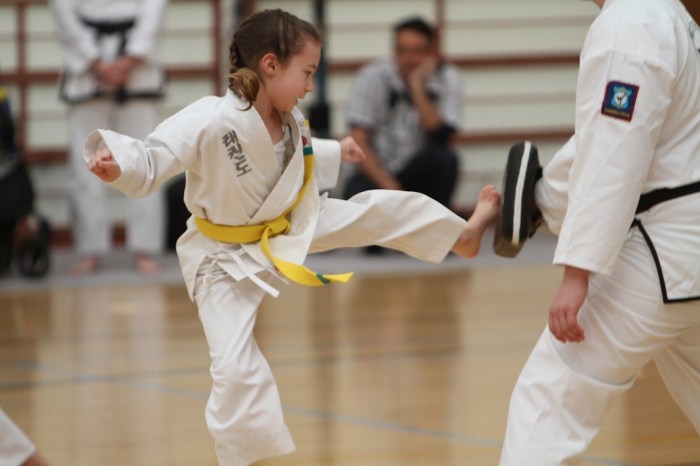
Training martial arts at home can be a great way to stay active and improve your skills. However, it’s important to set up a safe and effective training space, focus on beginner-friendly exercises, incorporate warm-up and cool-down routines, and track your progress to stay motivated.
Setting up a Safe and Effective Training Space
When setting up your training space at home, make sure you have enough room to move around freely without any obstacles. Clear the area of any sharp objects or furniture that could cause injury during training. Consider using a padded mat or carpet to provide cushioning for falls and high-impact movements.
Beginner-Friendly Martial Arts Exercises
- Basic punches and kicks: Practice fundamental strikes like jabs, crosses, front kicks, and roundhouse kicks to build strength and technique.
- Shadow boxing: Improve your footwork, speed, and coordination by practicing shadow boxing routines in front of a mirror.
- Forms or kata: Learn and practice traditional martial arts forms to enhance fluidity, balance, and muscle memory.
- Strength and conditioning exercises: Incorporate bodyweight exercises like push-ups, squats, and planks to improve overall fitness and endurance.
Importance of Warm-up and Cool-down Routines
Before starting any martial arts training session, it’s crucial to warm up your muscles to prevent injuries and improve performance. A proper warm-up should include dynamic stretches, light cardio, and joint mobility exercises. Similarly, cooling down after training helps reduce muscle soreness and promote recovery. Include static stretches and deep breathing exercises in your cool-down routine.
Tracking Progress and Setting Goals
To stay motivated and monitor your improvement while training at home, keep a training journal to record your workouts, techniques practiced, and any achievements. Set specific, achievable goals for your training, such as mastering a new technique, increasing your flexibility, or completing a certain number of workouts per week. Regularly review your progress, adjust your goals as needed, and celebrate your accomplishments along the way.
Equipment and Attire
When practicing martial arts at home, it is essential to have the right equipment and attire to ensure safety and effectiveness in training.
Essential Equipment
- Martial arts mat: Provides cushioning and support during training.
- Punching bag: Helps improve striking techniques and build strength.
- Hand wraps and gloves: Protect hands and wrists during sparring and bag work.
- Jump rope: Improves footwork, agility, and cardiovascular endurance.
Choosing the Right Martial Arts Attire
When selecting attire for home training, consider the following:
- Comfort: Choose breathable and flexible materials that allow for ease of movement.
- Fit: Ensure the attire fits well and does not restrict movement during training.
- Style: Opt for attire specific to the martial art you are practicing for authenticity.
Types of Training Equipment
There are various types of martial arts training equipment available for home use:
- Kicking pads: Ideal for practicing kicks and strikes with a training partner.
- Resistance bands: Help improve strength and flexibility in specific muscle groups.
- Focus mitts: Assist in refining accuracy and speed of punches.
Tips for Maintaining Equipment
Proper maintenance and storage of martial arts equipment are crucial for longevity and effectiveness:
- Clean and dry equipment after each use to prevent odor and bacteria buildup.
- Inspect gear regularly for wear and tear, repairing or replacing as needed.
- Store equipment in a cool, dry place away from direct sunlight to prevent damage.
Online Resources and Virtual Classes
In today’s digital age, there are numerous websites and apps that offer virtual martial arts classes, providing a convenient way for practitioners to continue their training from the comfort of their own homes.
Reputable Websites and Apps
- One popular platform for virtual martial arts classes is Gloveworx, which offers a variety of programs led by experienced instructors.
- Another option is Martial Arts on Rails, an app that provides instructional videos and virtual classes for different skill levels.
- Websites like Udemy and Skillshare also have a wide range of martial arts courses available for online learning.
Benefits and Drawbacks
- Benefits: Access to world-class instructors, flexibility in scheduling, cost-effectiveness compared to in-person classes.
- Drawbacks: Lack of direct feedback and correction from instructors, potential distractions at home, limited sparring opportunities.
Tips for Staying Motivated
- Set specific goals for your training and track your progress regularly.
- Create a dedicated training space at home to simulate the dojo environment.
- Join virtual martial arts communities or forums to stay connected with fellow practitioners.
Effectiveness of In-Person vs. Online Classes
- In-person training allows for immediate feedback, physical interaction with instructors, and a more immersive learning experience.
- Online classes offer convenience, flexibility, and the ability to learn from a diverse range of instructors from around the world.
- The effectiveness of each method ultimately depends on the individual’s learning style, goals, and commitment to practice.
Final Conclusion
As you wrap up your Martial arts training at home, remember that the path to mastery is a continuous one. Keep pushing yourself, staying dedicated, and embracing the journey towards becoming the best version of yourself through the practice of martial arts.
Answers to Common Questions
Can I learn martial arts properly at home without a trainer?
Absolutely! With dedication, proper resources, and consistency, you can make significant progress in martial arts training at home even without a personal trainer.
What are some creative ways to improvise martial arts equipment at home?
You can use household items like water bottles for weights, cushions for striking practice, and resistance bands for strength training to improvise martial arts equipment at home.
How can I stay motivated during at-home martial arts training sessions?
Setting specific goals, varying your routine, tracking progress, and joining virtual classes can all help in staying motivated and engaged during your at-home martial arts training.
Is it possible to achieve the same level of skill in martial arts through online classes compared to in-person training?
While in-person training offers direct feedback and interaction, with dedication and focus, online classes can still help you achieve a high level of skill in martial arts.